

close
Choose Your Site
Global
Social Media
Views: 0 Author: Site Editor Publish Time: 2026-11-09 Origin: Site


Every factory floor relies on dependable equipment. You face a high-stakes decision when selecting extrusion lines. Choosing the right PVC wall panel machine impacts your product quality heavily. It also drives production efficiency and long-term profit margins. This guide cuts through complex technical jargon. We help factory owners and procurement managers evaluate machinery effectively. You will learn to base purchasing decisions on operational realities. We simply ignore empty spec-sheet promises.
We will explore core production requirements first. Then, you will review essential technical evaluations step by step. We will also show you how to mitigate critical implementation risks. By the end, you will know exactly how to secure equipment for sustainable growth.
Scale vs. Versatility: Prioritize throughput requirements against the need for frequent profile changeovers.
Precision Matters: Understand how extrusion stability and mold quality dictate panel surface finish and interlocking integrity.
Total Cost of Ownership (TCO): Evaluate energy efficiency and maintenance accessibility over initial machine cost.
Support Ecosystem: Verify the supplier’s track record for spare parts availability and technical installation support.
You must define your end product clearly before contacting suppliers. Are you producing standard ceiling panels? Perhaps you focus on decorative wall cladding instead. Some factories produce high-end WPC-integrated panels. Each product demands specific machine capabilities. WPC panels require significantly higher motor torque. Standard ceiling panels prioritize sheer output speed. Your target market dictates your equipment specifications entirely.
Calculate your required output per shift carefully. This calculation determines your overall setup size. You must decide between a single-line or multi-line configuration. Single lines offer operational simplicity. Multi-line setups provide crucial redundancy. They keep production moving if one extruder unexpectedly stops. High-volume factories typically benefit from running multiple parallel lines simultaneously.
You need to define maximum panel widths accurately. You must also establish strict thickness requirements. Base these dimensions on current regional building standards. Anticipate future architectural trends in your market. Wider panels need much larger calibration tables. Thicker profiles require extended cooling zones. You cannot upgrade these physical limits easily later.
Assess your core formulation strategy. Does your equipment need to process high-calcium carbonate formulations? Or will you run pure virgin resin blends? High-filler formulas reduce daily material costs substantially. However, they cause faster screw wear over time. Your equipment must handle these abrasive materials effectively. Look for bimetallic screws if you use heavy fillers.
Conical twin-screw extruders remain highly popular. They offer excellent material plasticization for heavy powder blends. Parallel twin-screw extruders excel at high-speed output instead. You must choose based on your specific formulation. Conical designs force the material tightly toward the die. This action creates excellent pressure stability.
Table 1: Extruder Configuration Comparison
Feature | Conical Twin-Screw | Parallel Twin-Screw |
|---|---|---|
Best Application | High-filler PVC blends | High-speed, low-filler PVC |
Plasticization Quality | Excellent for powder | Good for pellets |
Output Speed | Moderate to High | Very High |
Screw Wear Rate | Lower on heavy fillers | Higher on heavy fillers |
Mold quality dictates your final panel surface finish. Precision flow channels prevent visual streaking on the plastic. High-quality dies ensure perfectly consistent wall thickness. Uneven thickness ruins product interlocking mechanisms. Installers will reject panels if the tongue and groove joints fail. Demand high-grade steel for your extrusion dies.
The vacuum table plays a vital role. It cools the hot plastic profile rapidly. It locks the delicate shape into place. Strong vacuum pumps maintain tight dimensional accuracy. Weak pumps cause unacceptable profile distortion. Water sprays must cover the entire panel evenly. Uneven cooling creates internal stress. Internal stress leads to panel bowing after installation.
Haul-off units pull the panel down the line continually. They require highly synchronous motor control. Desynchronized motors cause panel warping immediately. The traction pads must grip without crushing the hollow structure. Cutting systems must slice the profile cleanly. Uneven edge trimming creates frustrating installation problems for end-users. Saw dust extraction systems keep the cutting zone clean.
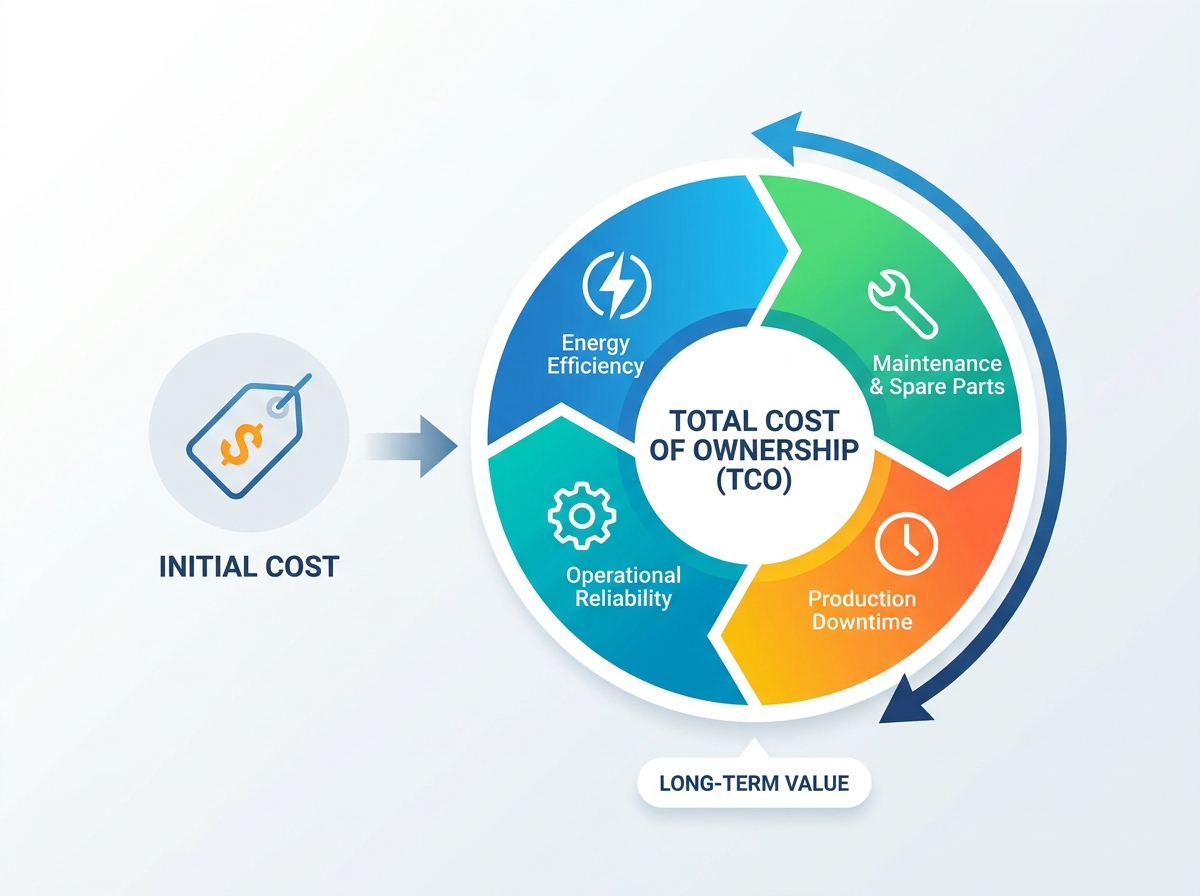
Compare main motor efficiency ratings across your quotes carefully. Look for advanced heating and cooling control loops. These intelligent systems reduce kilowatt usage significantly. High electricity usage destroys profit margins quickly. Variable frequency drives (VFDs) adjust power delivery dynamically. They save immense amounts of power during continuous operation. Demand energy-efficient motors for your haul-off units as well.
Factories rarely run one single profile forever. You will switch between different panel widths eventually. Evaluate the actual time required for die adjustments. Fast changeovers keep your factory highly productive. Slow mold adjustments kill daily shift yields. Ask suppliers how quickly operators can swap the sizing sleeves. Quick-release water and vacuum connections save hours of labor.
Balance your automation investments sensibly. Manual oversight costs less initially during setup. However, human error causes expensive material waste continuously. PLC-integrated automated control systems offer extreme reliability. They monitor barrel temperatures continuously. They adjust haul-off speeds instantly. Centralized touchscreens allow operators to save specific formulation recipes. This feature guarantees identical panel quality across different shifts.
Evaluate the machine frame rigidity thoroughly. Heavy steel frames absorb harmful vibrations easily. Vibration causes slight ripples in the panel surface. Check the quality of hydraulic and pneumatic components. Cheap valves fail during heavy continuous operation. You need true 24/7 reliability to meet peak season demand. High-grade gearboxes prevent catastrophic mechanical failures.
Run a supplier red flag check immediately. Does the manufacturer provide a standardized parts list? Or are components highly proprietary? Proprietary parts remain incredibly difficult to source locally. You will face massive downtime waiting for overseas shipments. Standardized parts catalogs save businesses daily. You can buy generic electrical contactors locally. Choose machines built from globally recognized component brands.
Assess the supplier’s true commitment closely. Do they offer comprehensive on-site installation? They must train your factory staff thoroughly. Strong troubleshooting workflows empower your floor operators. Proper training prevents expensive operator mistakes. Insist on a structured handover process. Your team must understand daily lubrication routines perfectly.
Keep a localized inventory of critical heating bands.
Schedule regular inspections of the vacuum pump seals.
Document every parameter change in the PLC system.
Clean the calibration table filters weekly.
Ignoring abnormal gearbox noise until catastrophic failure occurs.
Using unfiltered cooling water, which clogs the calibration molds.
Skipping the daily screw cleaning routine during shutdowns.
Evaluate supplier responsiveness before buying. You need reliable remote technical assistance constantly. Ask about firmware and control system updates explicitly. Modern extruders rely heavily on software logic. Suppliers should offer video call diagnostics. A fast diagnostic session saves days of lost production. Ensure they provide English-language wiring diagrams.
Verify CE or ISO certifications always. These documents prove baseline manufacturing quality. They ensure the machine meets local electrical regulations. Occupational safety features protect your valuable workforce. Do not compromise on emergency stop mechanisms. Every motor must have overload protection. Heated barrels require proper thermal shielding to prevent severe burns.
Build a strict scoring card immediately. Compare different manufacturer quotes systematically. Score them on energy efficiency ratings first. Evaluate rated output conservatively, not optimally. Assess their support service level agreements. Never look at just the initial machine price. A cheaper machine often wastes more raw material. It might also require a larger operating crew.
Never sign a purchasing contract blindly. Request live video demonstrations of their machines. Watch the equipment run your specific panel formulation. Tour existing installations if possible. Speak to other independent factory owners directly. Real-world performance rarely matches shiny brochure claims perfectly. Rigorous verification builds true purchasing confidence. Request material testing data from their laboratory.
You are building a long-term operational partnership. Extrusion precision drives your overall product quality heavily. Energy efficiency protects your daily profit margins directly. Reliable technical support ensures continuous factory operation. Focus strictly on operational realities. Evaluate your machinery options carefully using systematic frameworks. Make your final decision based on verifiable evidence. Prepare your production facility for sustainable, long-term growth.
A: The stability of the extrusion temperature control is paramount. The precision of the die head also matters greatly. These are the two most critical factors in preventing surface defects. Uneven temperatures cause material degradation. Poor dies create visual flow lines on the panel surface.
A: Standard maintenance schedules include monthly inspections. You must check vacuum seals and extruder screw wear. Major overhauls typically occur every 12 to 18 months. This timeline depends heavily on your daily duty cycles. Highly abrasive fillers accelerate this maintenance schedule.
A: Yes, it is entirely possible. Your extruder must have sufficient motor torque. The cooling system must be modular enough. This accommodates different mold geometries easily. However, frequent die changes will impact your daily output volume.


